
Retaining Walls in Chapel Hill
A Chapel Hill retaining project can require careful choices around an established garden. Mark the trees and planting you hope to retain, but leave decisions about excavation near roots to the appropriate specialist. The construction route and drainage outlet should be resolved alongside the wall, not discovered after the material is ordered.
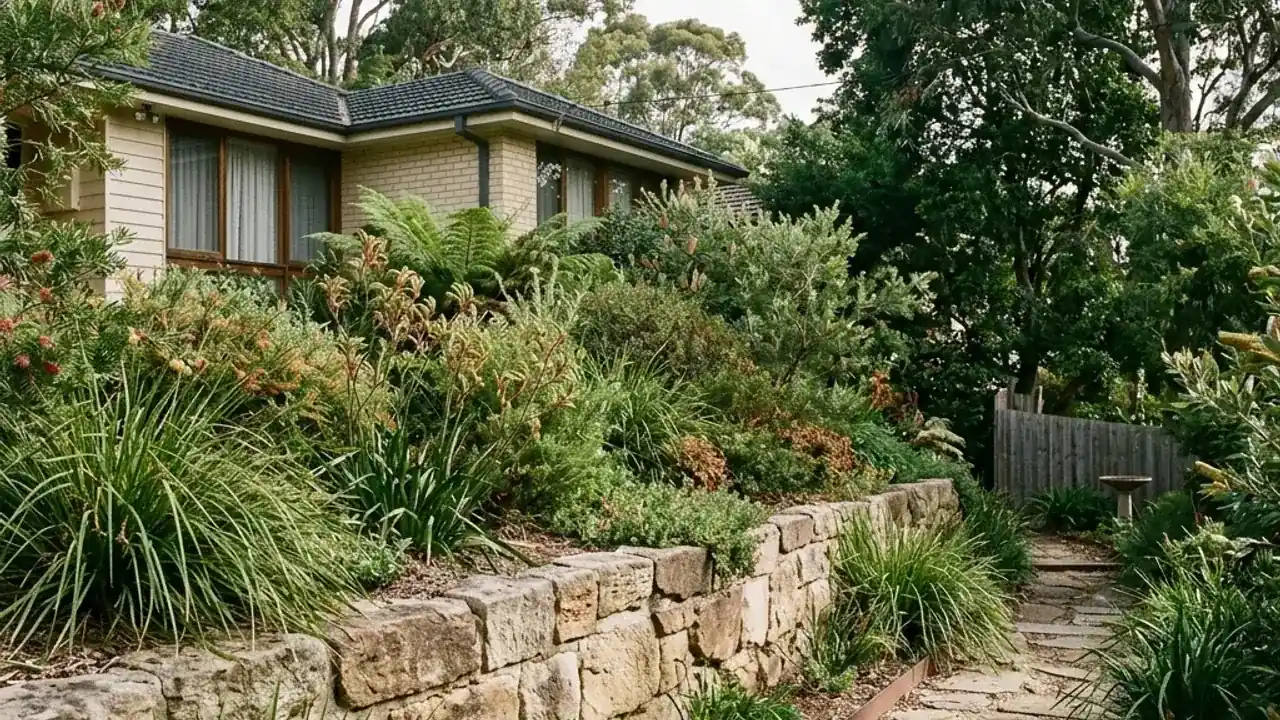
Keep drainage in the retaining-wall conversation
A Chapel Hill replacement can preserve a valued garden while addressing the water around an older wall. Name the planting and paths you want kept, then describe runoff or damp areas you have noticed after rain. The first layout discussion should consider how excavation and drainage affect those features before settling on a wall material.
A retaining structure and its drainage should be discussed together. Rebuilding the visible face without considering the surrounding ground can leave important questions unanswered. Ask the provider how the proposal handles drainage behind the wall and where the drainage outlet will be resolved.
If planting is part of the project, show which trees and garden areas you intend to keep. Work close to roots or established features may affect excavation and sequencing. Do not assume a new wall can follow an old alignment without checking the complete construction requirements.
Wall replacement or a new retaining wall in Chapel Hill
- Record visible water patterns without attempting to diagnose them.
- Include retained vegetation in excavation and access discussions.
- Ask where drainage design and discharge responsibilities sit.
Chapel Hill gardens and site-specific constraints
Chapel Hill sits at the foot of Mount Coot-tha, with streams running through gullies. Residential growth began in the 1950s. At your property, mark the plants you want to keep and water you have seen after rain. Compare keeping the old wall line with changing it. Ask how each choice affects roots, working space and drainage. A gully elsewhere in the suburb does not show your soil or approval requirements.
Local reference points
- Robin Powell Park
- Cubberla Creek Reserve
- Hakea Crescent Park
Turn water observations into assessment questions
Note what happens after rain without entering an unsafe area or digging beside a moving wall. Ask who checks the drainage design, approvals and effects on neighbouring land. The quote should state what is included and what still needs investigation.
Check Council's retaining-wall approval guidanceExplore retaining wall options in Chapel Hill
Boulder retaining walls
Natural rock for a raised garden, with room to place large stones and drain the ground behind them.Sandstone retaining walls
Even rows of sandstone blocks or a rougher stone finish, planned around your garden levels.Concrete sleeper retaining walls
Concrete sleepers sit between posts. Check the posts and drainage before choosing a finish.Timber sleeper retaining walls
A timber garden edge, with the ground, drainage and future care checked before work.Retaining wall replacement
An old wall rebuilt with removal, drainage and garden repairs included in the discussion.Terraced garden retaining walls
Usable garden levels with the walls, paths and drainage planned together.All services →Get help with your project in Chapel Hill
Talk through planting and water management
Tell us which plants you want to keep and where water appears after rain. Leave unknown drainage details for the site check.
Discuss your wall in Chapel Hill
Name the planting to retain and where runoff has appeared. You can state that a drainage route is unknown rather than trying to investigate behind the wall.
Confirm who assesses the drainage arrangement and required structural design. Check the proposed operator’s relevant licence before entering an agreement for regulated work.
Read QBCC's structural landscaping licence informationRetaining-wall questions in Chapel Hill
At a property in Chapel Hill, how long will a retaining wall last?
There is no useful lifespan promise for every wall. Materials, design, building work, drainage and care all matter. Ask about the proposed system, maintenance and its specific warranty terms.
At a property in Chapel Hill, who handles wall design, construction and certification?
These are separate jobs. Ask the provider whether an engineer, building certifier or other specialist is needed. Agree who appoints and pays for them. Check the provider’s relevant licence and put those responsibilities in writing.
At a property in Chapel Hill, when is building approval needed for a retaining wall?
Brisbane City Council lists several conditions for work that does not need building approval. Height is only one. Loads above the wall, nearby buildings or walls, and pool fencing can also matter. Have a licensed building certifier check the full proposal before treating it as exempt.
At a property in Chapel Hill, which rules apply to retaining-wall construction?
The rules depend on the site and proposed work. Council says retaining walls must meet the National Construction Code even when building approval is not needed. Ask the designer and certifier which requirements apply to your wall.
At a property in Chapel Hill, is timber still an option for retaining walls?
Timber may suit some jobs when the system, treatment and design meet the site requirements. Ask about future care and replacement needs as well as the starting price. Suitability needs checking for your project.